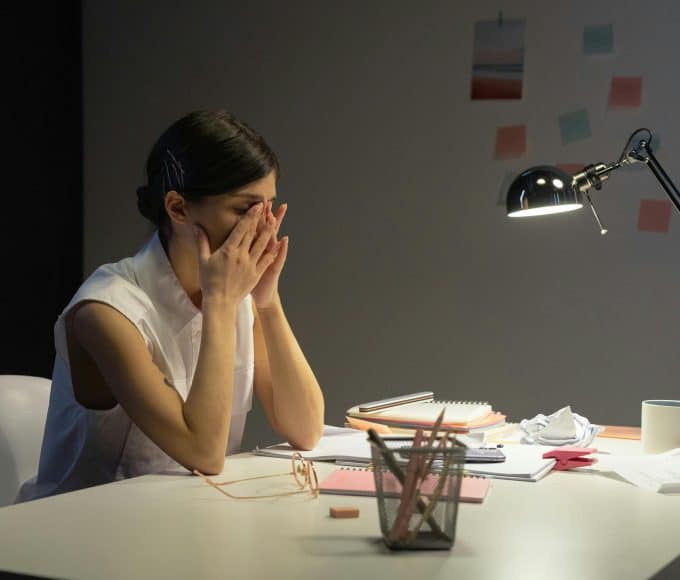





An office’s physical layout directly impacts how teams interact. A well-designed space can foster communication and teamwork, while a poorly planned one can create barriers. Boosting collaboration through better office design involves creating an environment that encourages spontaneous interactions and structured teamwork.
By making strategic changes to your office, you can build a more connected and productive workforce.
Create Zones for Different Work Styles
A one-size-fits-all approach to office design no longer works. Instead, create distinct zones that cater to various tasks and temperaments. This method, known as activity-based working, gives employees the freedom to choose an environment that suits their immediate needs.
- Quiet Zones: Designate areas for tasks that require deep focus. These spaces should have minimal distractions.
- Collaborative Zones: Equip open areas with whiteboards, large screens, and comfortable seating to encourage group discussions and brainstorming.
- Lounge Areas: Casual, comfortable spaces with soft seating can foster informal conversations that often lead to innovative ideas.
Promote Movement and Interaction
Design the office to encourage employees to move around and interact with colleagues from different departments. Strategic placement of shared resources can naturally bring people together.
Position printers, coffee machines, and break rooms in central locations that require employees to walk through different parts of the office. This layout increases the chances of impromptu conversations and cross-departmental connections.
Use Flexible and Movable Furniture
Static, heavy furniture limits a workspace’s adaptability. Use lightweight, modular, and movable furniture to give teams control over their environment. Tables on wheels, stackable chairs, and movable partitions allow employees to reconfigure spaces for group projects or individual tasks. This flexibility empowers teams to create their own collaborative environments on demand.
Balance Open Spaces With Private Areas
Open-plan offices can promote communication, but they can also lead to distractions and a lack of privacy. It’s helpful to balance open, collaborative areas with private spaces. Small, enclosed pods or nooks offer a quiet retreat for focused work or private conversations.
A balanced office recognizes the need for both teamwork and individual concentration, fostering a more harmonious work environment. A key component of this balance is managing the acoustics in your office, as proper sound control prevents conversations in one area from disrupting focus in another.
Integrating Collaborative Design Elements
Boosting collaboration through better office design means creating a workspace that is both functional and inspiring. By thoughtfully arranging the physical space, you can cultivate a culture of open communication and teamwork. Evaluate your current office layout and identify opportunities to create more dynamic and interactive zones. Small adjustments can yield impressive results in how your teams work together.
Recommended Reading: Design Choices That Will Make a Statement in Your Home